
 My Chart Patient Portal
 Emergency Care
 Urgent Care
 Language Services
 Medical Records
 News & Events
 Charitable Giving
 Programs & Classes
Published: November 16, 2026
Could You Qualify for Lung Cancer Screening? What Current and Former Smokers Need to Know
Lung cancer is the leading cause of cancer-related deaths in the United States, surpassing the number of deaths from colon, breast, and prostate cancers combined. One of the main reasons is that it often develops silently, with many people not experiencing symptoms until the disease has reached a more advanced stage.
That's where lung cancer screening comes in.
For people at increased risk, a low-dose CT scan can help detect lung cancer before symptoms appear, when treatment may be most effective. Yet many people who qualify for lung cancer screening don't realize they're eligible.
"One of the biggest challenges is awareness," says Dr. Curtis Quinn, thoracic surgeon with Elliot Health System. "Many people assume that if they feel well, there's no reason to be screened. In reality, lung cancer screening is designed to find potential problems before symptoms develop."
Detecting Lung Cancer Before Symptoms Start
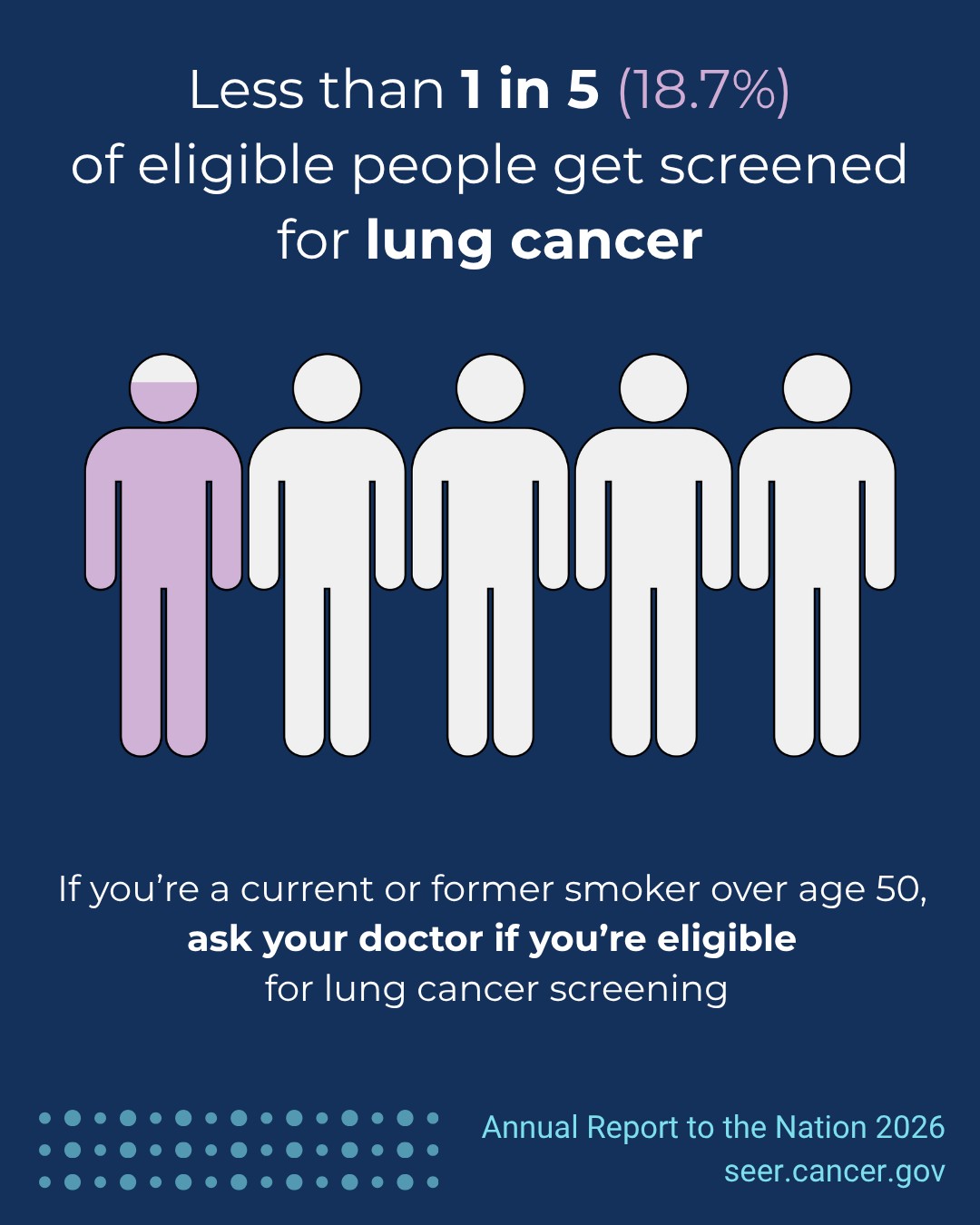 Lung cancer often causes few or no symptoms in its earliest stages, which is why screening is so important. According to the American Cancer Society, the 5-year survival rate for lung cancer that is detected before it has spread beyond the lung is about 65%, compared with about 9% when it is found after spreading to distant parts of the body.
"The goal of screening is to find lung cancer at its earliest and most treatable stages," says Dr. Christian Campos, thoracic surgeon with Elliot Health System. "Earlier detection can create more opportunities for timely intervention and may lead to better outcomes for patients."
By identifying potential concerns earlier, physicians can evaluate abnormalities sooner and, when necessary, begin treatment at a stage when it may be most effective.
What Is a Low-Dose CT Scan?
Lung cancer screenings are performed using a low-dose computed tomography (LDCT) scan of the lungs. The scan itself takes only a few minutes and uses a lower dose of radiation than a standard CT exam.
"Many patients are surprised by how quick and straightforward the scan is," says Dr. Quinn. "It's a simple screening exam to help us spot small abnormalities in the lungs that may not yet be causing symptoms."
You may qualify for lung cancer screening if you:
- Are between the ages of 50 and 80 (Medicare currently covers annual lung cancer screening through age 77)
- Currently smoke or have quit within the past 15 years
- Have a smoking history of 20 pack-years or more
A pack-year is calculated by multiplying the number of packs smoked per day by the number of years smoked. For example, smoking one pack per day for 20 years or two packs per day for 10 years equals 20 pack-years.
Coverage criteria may vary by insurance provider. If you're unsure whether you meet the criteria, your primary care doctor can help determine your eligibility.
Did You Know? Elliot Health System offers a self-pay option for individuals who may not meet insurance coverage requirements but are still considered high-risk for lung cancer. Talk with your primary care doctor to determine whether screening may be appropriate for you.
The Symptoms People Often Overlook
Because screening is intended to detect cancer before symptoms develop, it's important to understand that not everyone with lung cancer experiences warning signs early on.
However, when symptoms do occur, they are often subtle, like a lingering cough or shortness of breath, and easily attributed to aging, smoking history, allergies, or other common respiratory conditions. The most common symptoms of lung cancer may include:
- A persistent cough that doesn't go away
- Coughing up blood
- Hoarseness
- Unexplained weight loss
While these symptoms can be caused by a variety of conditions, persistent or worsening symptoms should always be evaluated by a trusted clinician.
"Many of the symptoms associated with lung cancer can also be caused by less serious conditions," says Dr. Muhammad Mirza, pulmonologist and medical director of the pulmonary rehabilitation program with Elliot Health System. "The key is recognizing when symptoms persist or change over time. If something doesn't seem right or symptoms aren't improving, it's important to talk with your doctor right away."
Understanding Your Risk
Smoking remains the leading risk factor for lung cancer, but it isn't the only one. Exposure to secondhand smoke, radon, asbestos, and other occupational hazards can increase risk for developing lung cancer. Workplace exposure to substances such as diesel exhaust, silica, chromium compounds, arsenic, 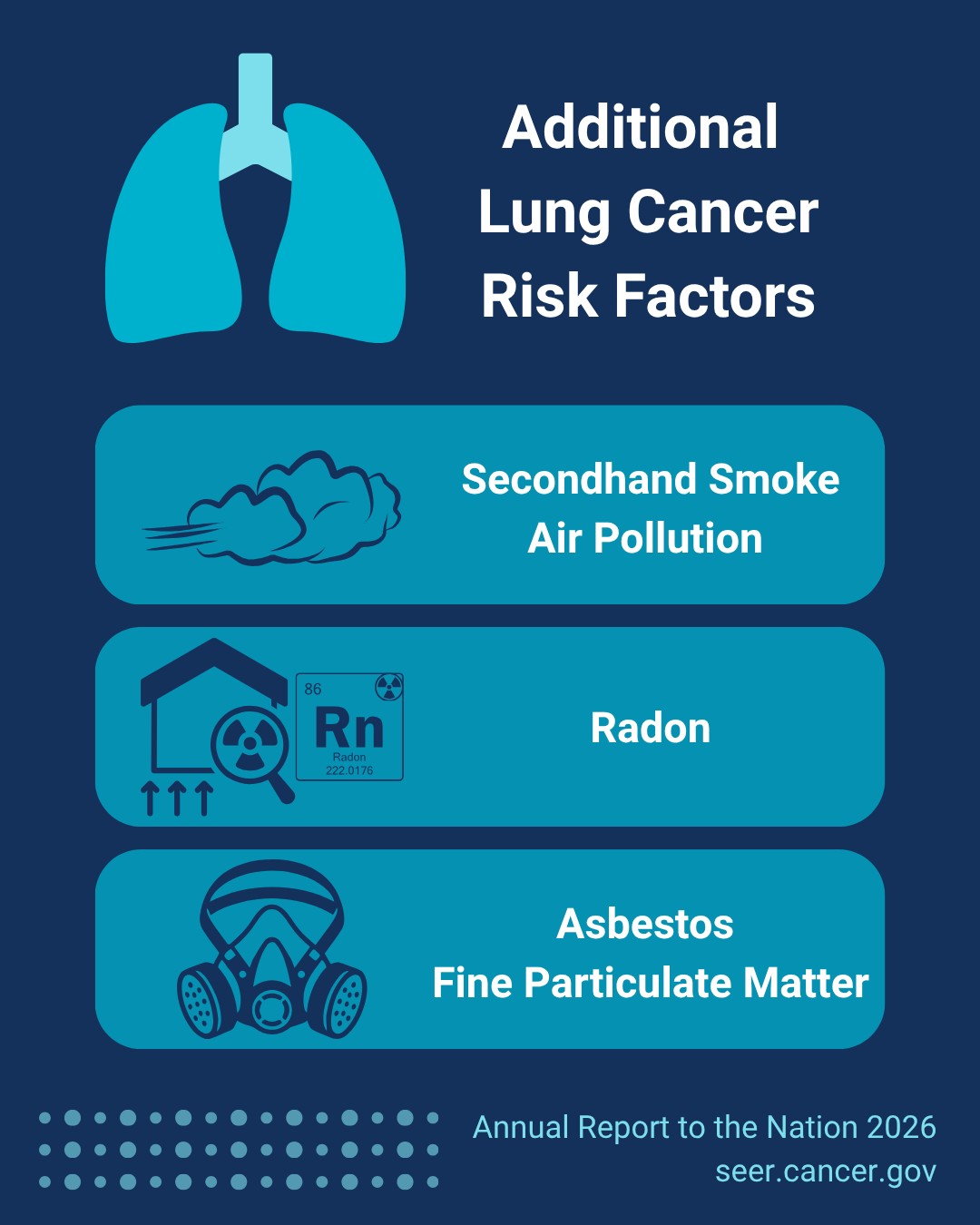 cadmium, uranium, and other cancer-causing agents has also been associated with an increased risk for lung cancer. Lastly, family history and previous radiation therapy to the chest may play a role as well.
"Risk isn't always defined by a single factor," says Dr. Harout Boyajian, thoracic surgeon with Elliot Health System. "That's why we encourage patients to have open discussions with their healthcare team about their lifestyle habits, possible exposures, and overall health history. Those conversations are often the first step toward identifying opportunities for earlier detection."
For individuals who qualify, lung cancer screening is typically recommended annually. Your doctor can help determine whether yearly screening is appropriate based on your age, smoking history, and overall risk factors.
Take the Next Step
If you're a current or former smoker, talk with your primary care team about whether lung cancer screening is right for you. A conversation with your doctor today could be an important step toward protecting your health.
Questions? Click here to learn more about our lung cancer screening program, where you'll find eligibility requirements, frequently asked questions, and more. Discover whether a low-dose CT scan may be right for you.
For help on quitting smoking, please call the New Hampshire Tobacco Quitline at 1-800-QUITNOW.
Meet the Doctors
 Curtis Quinn, MD is a board-certified thoracic surgeon specializing in lung cancer diagnosis, minimally invasive thoracic surgery, and robotic-assisted procedures. He is a leader in lung cancer screening and early detection efforts across Southern New Hampshire. Learn more about Dr. Quinn
 Christian T. Campos, MD is a board-certified thoracic surgeon and Fellow of the American College of Surgeons specializing in lung cancer care and diseases of the chest and esophagus. He has extensive experience in thoracic surgery program development and lung cancer screening initiatives, helping expand access to early detection and treatment. Learn more about Dr. Campos
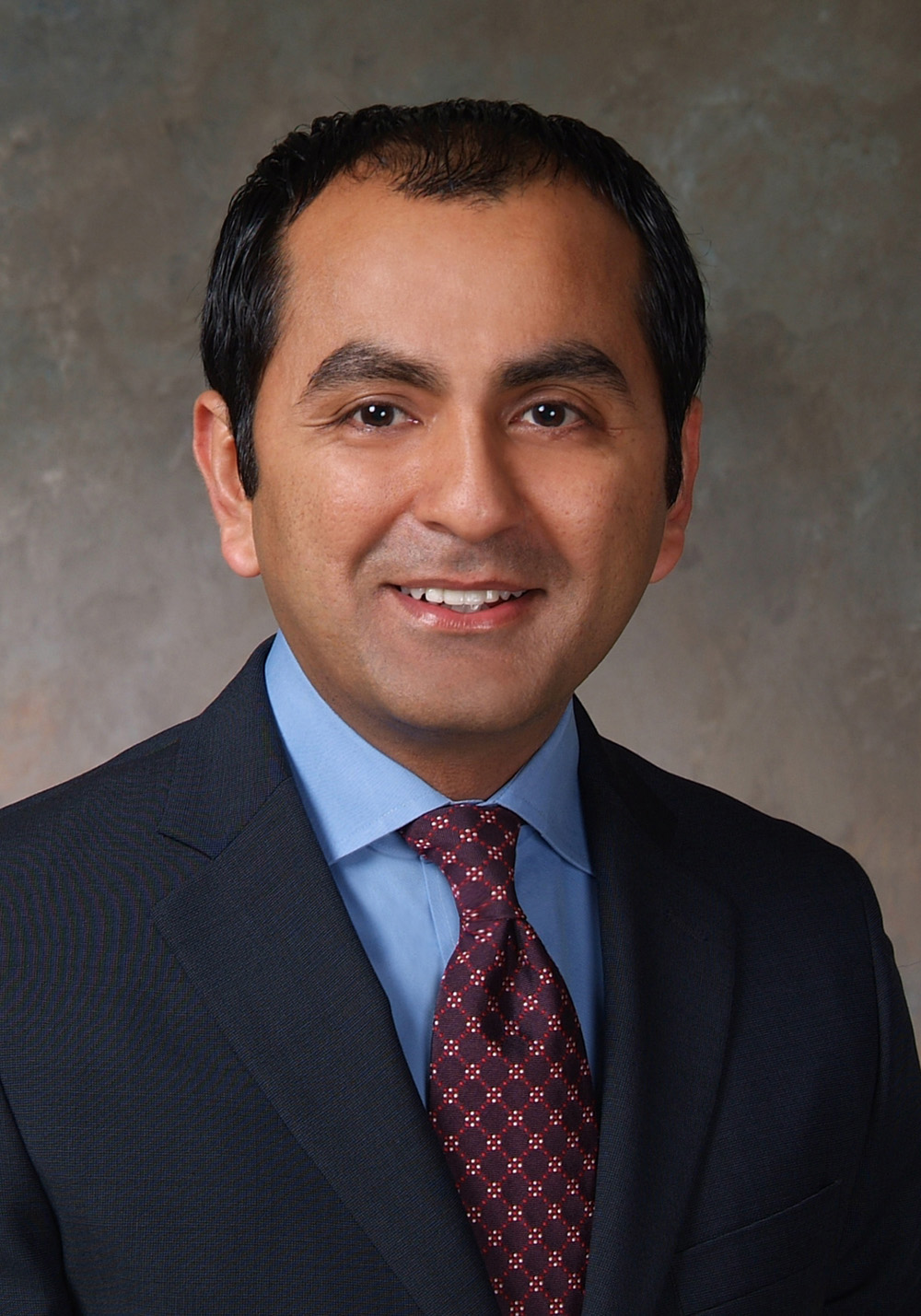 Muhammad F Mirza, MD is a board-certified pulmonologist specializing in pulmonary disease, critical care medicine, and sleep medicine. As medical director of the Pulmonary Rehabilitation Program, he helps patients manage lung disease and works closely with the multidisciplinary team supporting lung cancer screening, diagnosis, and treatment. Learn more about Dr. Mirza
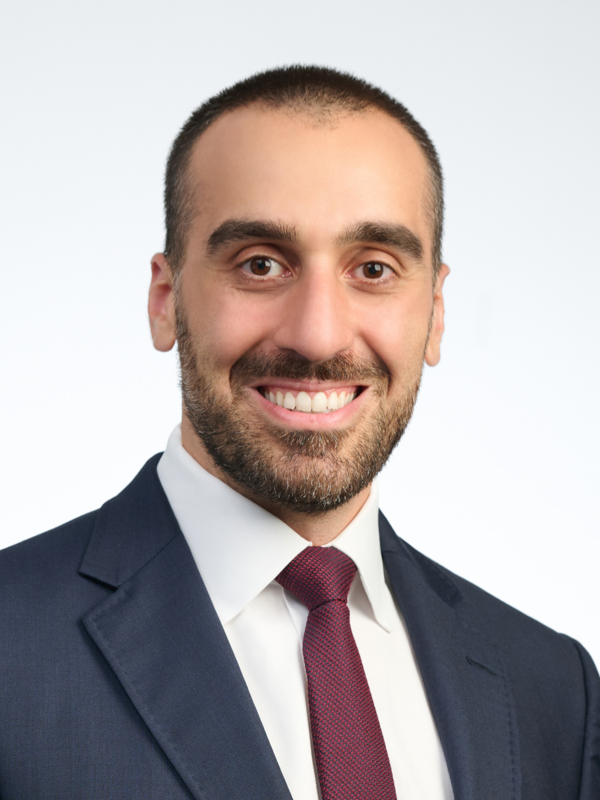 Harout Boyajian, MD is a board-certified thoracic surgeon specializing in lung cancer screening, early detection, and minimally invasive thoracic surgery. He completed advanced fellowship training in minimally invasive and robotic thoracic oncology at Moffitt Cancer Center and has expertise in robotic navigational bronchoscopy and the treatment of lung and esophageal cancers. Learn more about Dr. Boyajian